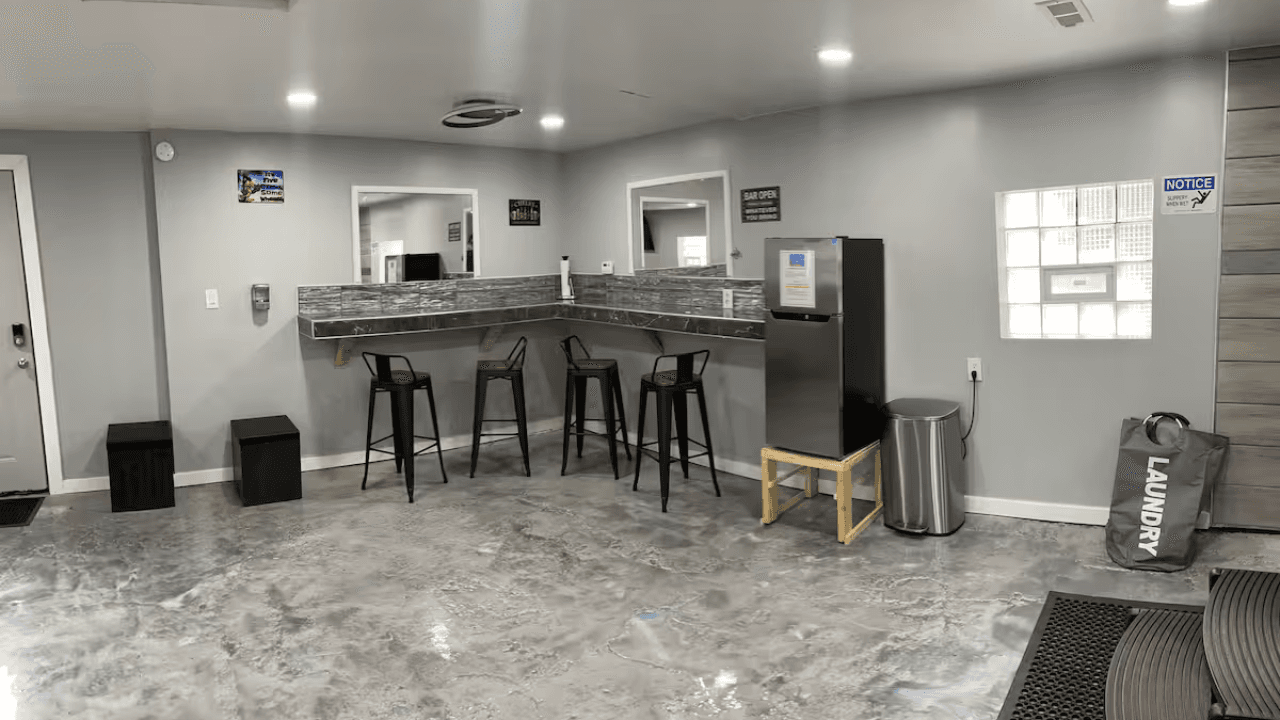
The Executive Bar & Lounge Suite

Elias Vance
Lead Systems Architect
Achieving clinical-grade precision in a mobile environment requires a radical approach to latency and data ingestion. This report breaks down the hardware-software synergy behind our 450ms diagnostic cycle.
[Journal]
1. Optical ingestion and noise filtration
The diagnostic process begins with high-resolution image capture. Most mobile sensors introduce significant RGB noise in low-light conditions. Sensoria’s ingestion layer utilizes a proprietary Auto-ISO Calibration algorithm that compensates for lux fluctuations in real-time.
Sensor requirement: Minimum 12MP with f/1.8 aperture for optimal feature extraction.
Pre-processing: Localized Fourier transforms are applied to remove motion blur before the frame reaches the neural engine.
2. Neural architecture: Transformer-based analysis
Unlike traditional convolutional networks, our engine uses a Vision Transformer (ViT) architecture. This allows the AI to understand global dependencies between different skin zones — for example, how dehydration in the T-zone correlates with barrier micro-tears on the cheeks.
"We shifted from local patch analysis to global attention mechanisms. This increased our diagnostic accuracy for complex conditions like rosacea by 18.2%." — Elias Vance
3. Edge-cloud hybrid computing
To maintain zero-latency, Sensoria utilizes a hybrid model.
Local Edge Inference: Initial dermal mapping and privacy scrubbing happen on-device.
Cloud Neural Refinement: Complex diagnostic comparisons against our 500k+ case library are handled via secure, encrypted bursts to our laboratory servers.
[Explore]
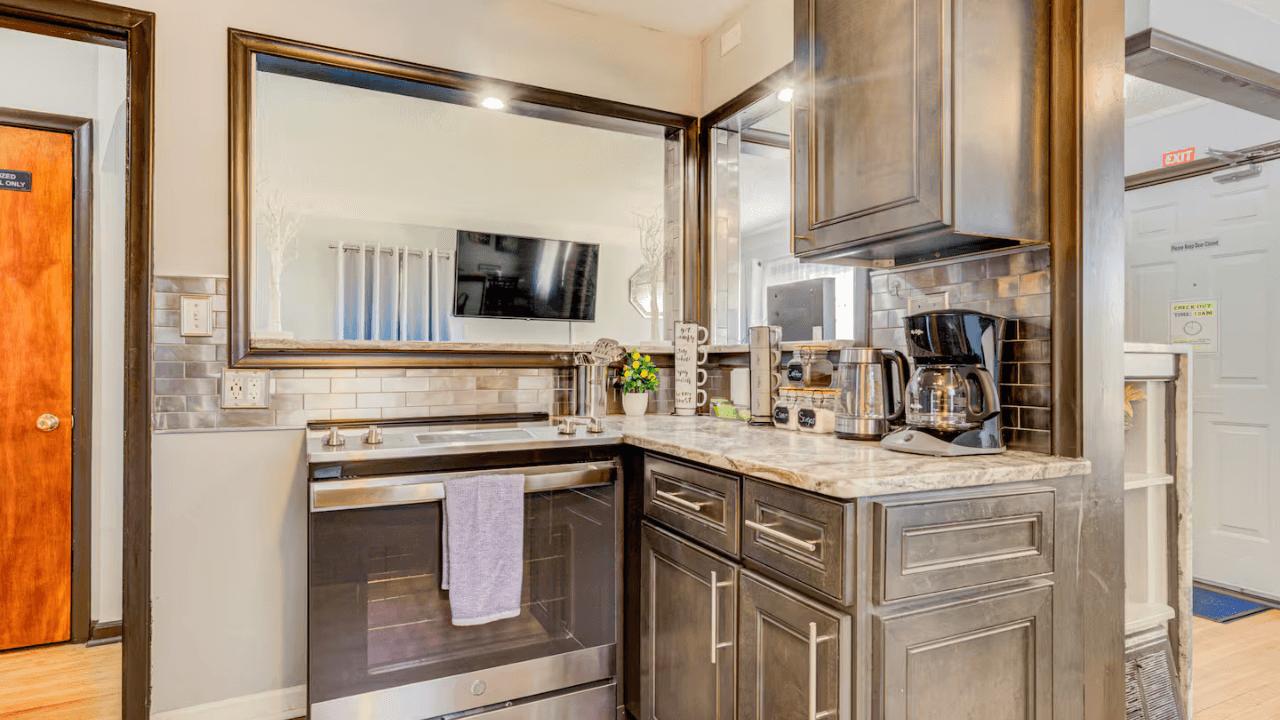
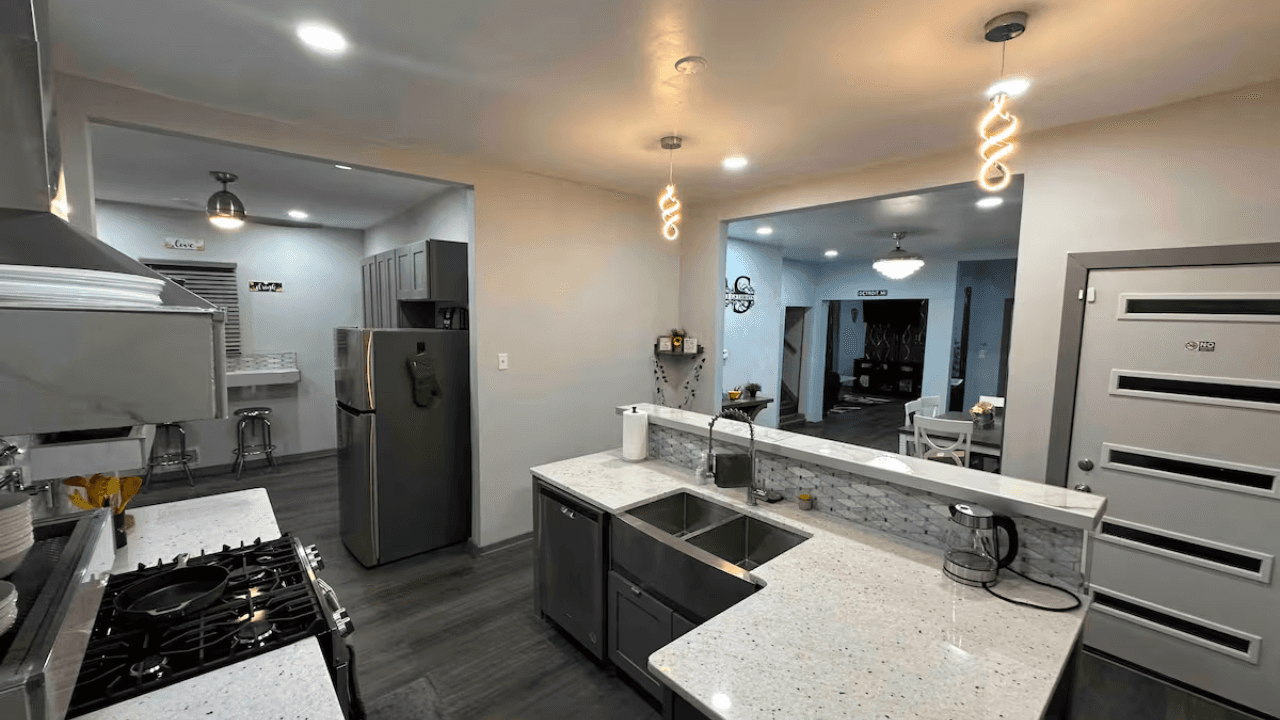
ADULTS ONLY
LUXURY HOT TUBS
MADE IN DETROIT
GATED PRIVACY
5-STARS
DESIGNER SUITES
STAYCATION VIBES
CLEAN
START YOUR DETROIT [GETAWAY]
"Tell us a bit about your group or special occasion. Our team will get back to you within 24 hours with the perfect location and availability."